I became a PhD candidate last Spring and I’m about to start my 5th year here at Cornell University.
I started working on the mechanics of laboratory earthquakes at Cornell since 2016.
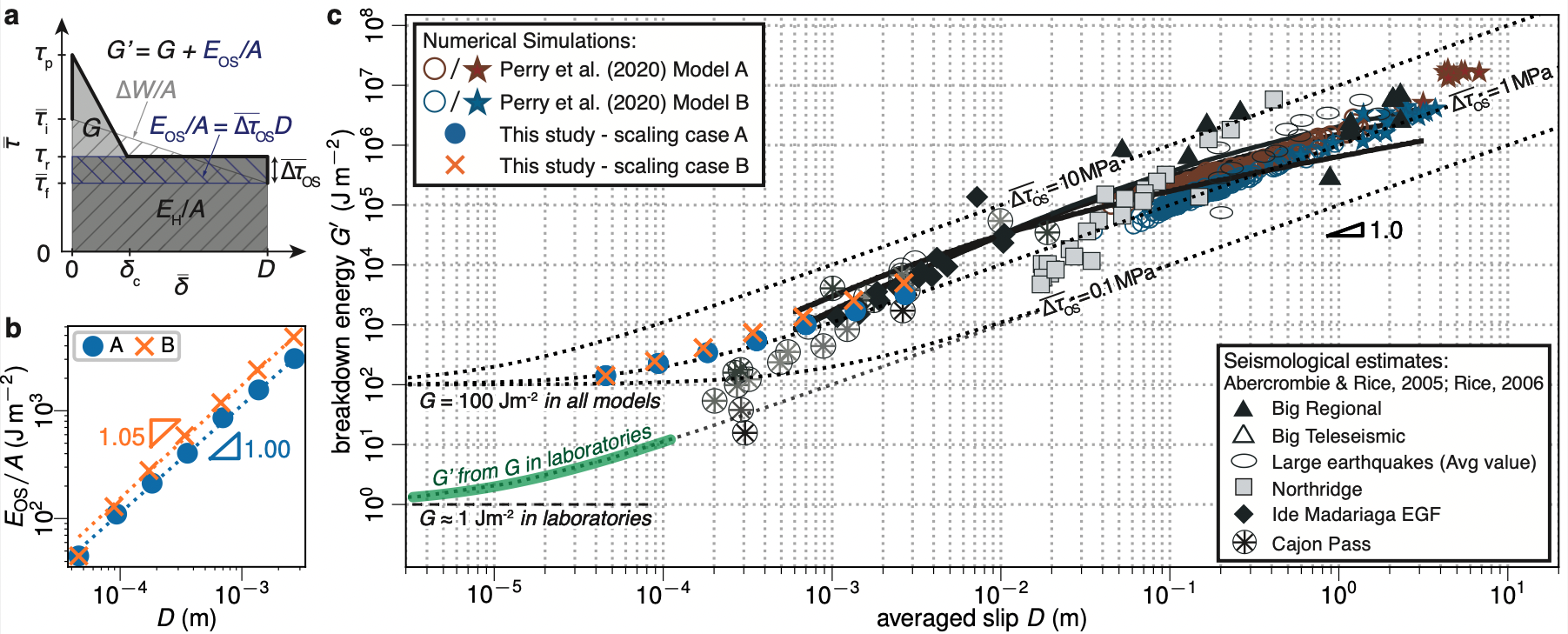
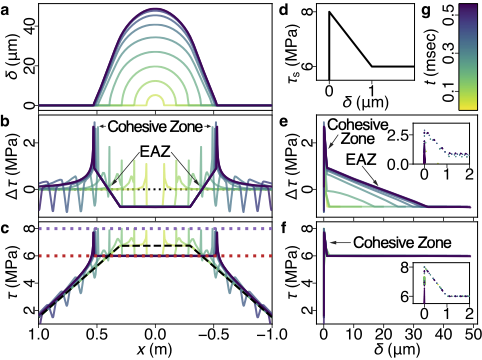
Co-advised by Prof. Dave Kammer and Prof. Greg McLaskey, I use theoretical approaches, e.g., solid mechanics and fracture mechanics, and numerical models, e.g., finite element method and spectral boundary integral method, to understand the mechanics of laboratory-generated earthquakes.
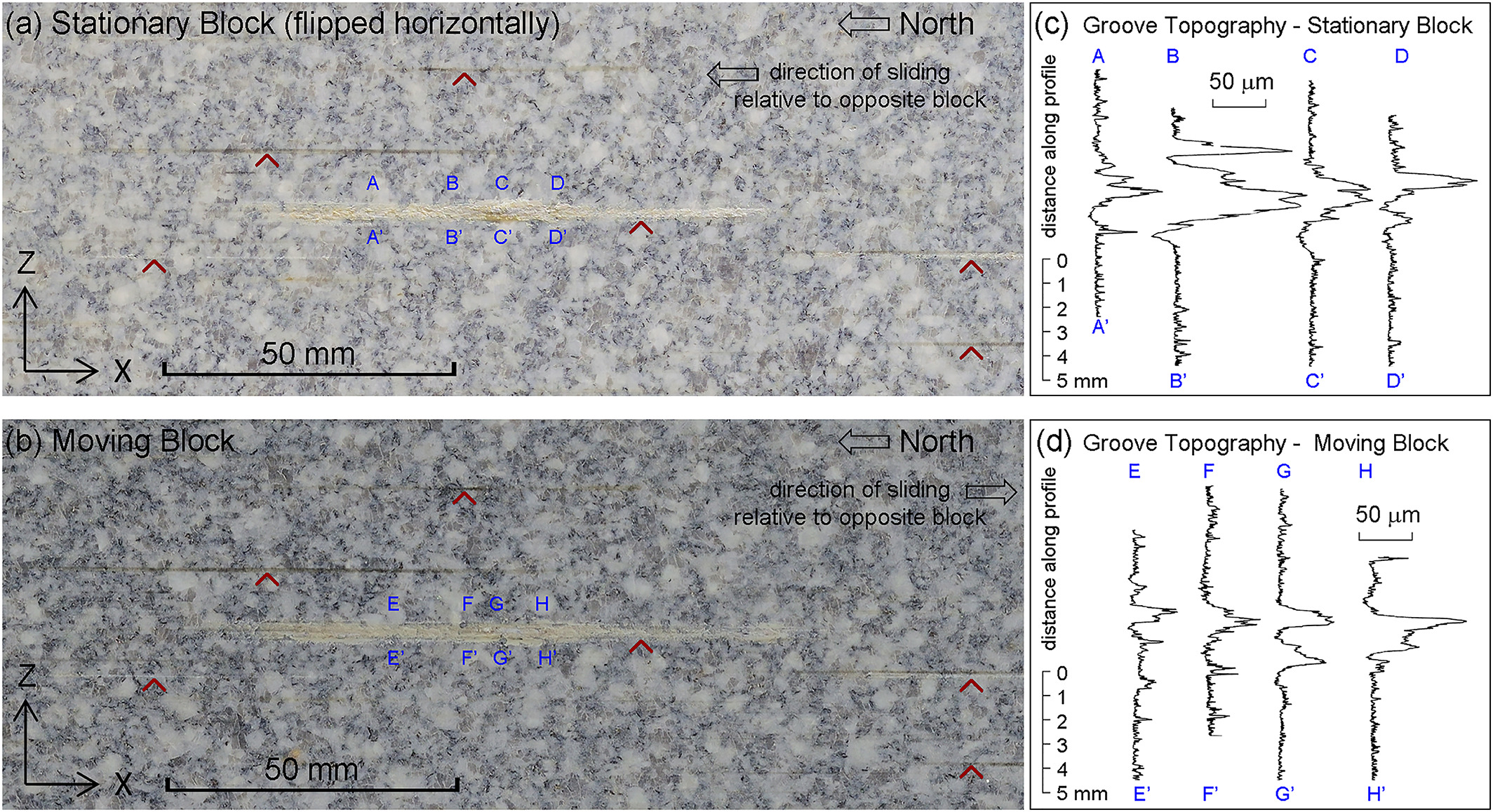
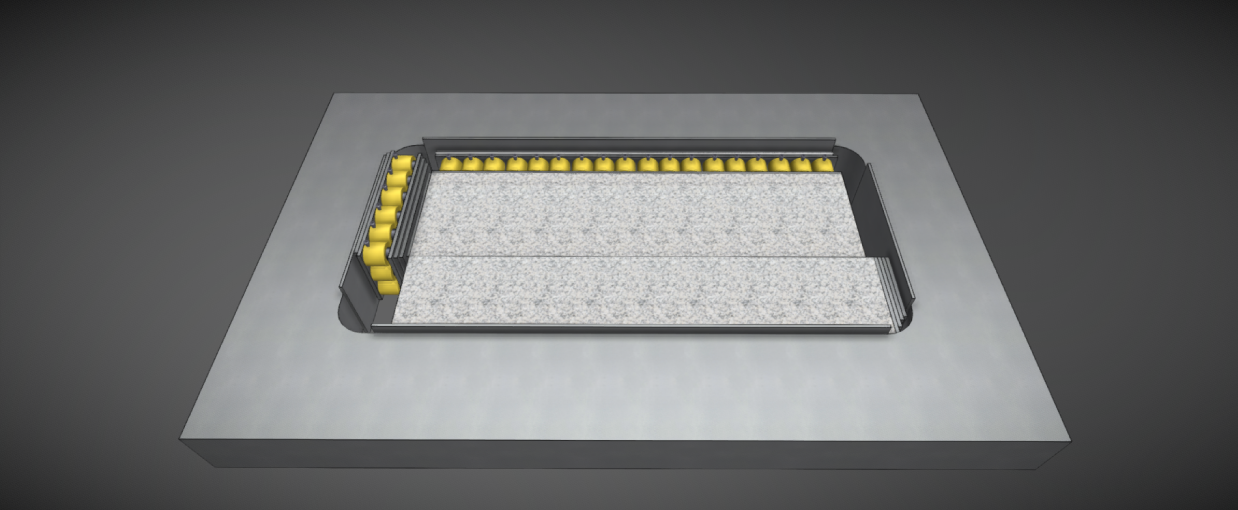
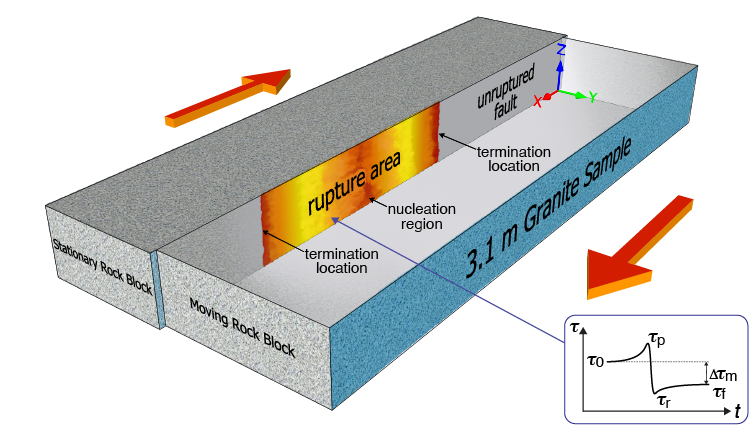
Our lab’s first paper about the large-scale laboratory earthquake experiment at Cornell is published on GRL.
We generated laboratory earthquake ruptures that nucleate, propagate, and terminate within the 3-m long saw-cut granite fault.
SEPSA is a seismic probabilistic risk assessment (SPRA) software with intuitive graphical user interface and efficient computation for modeling and analyzing seismic hazard at nuclear power plants.